About Us
Restoring Hope
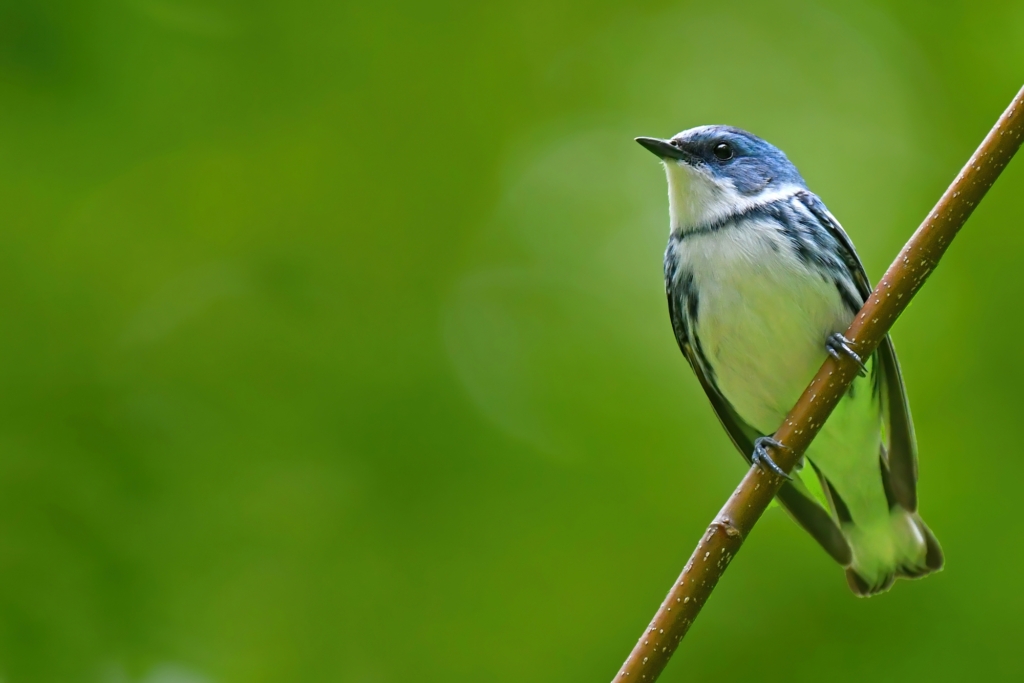
Protecting the Cerulean Warbler
In March of 2025, a brand-new cooperative effort was launched to help coordinate and expand these efforts. Known as the Southern Indiana Cerulean Warbler BirdScape (SICWB), this collaborative effort involves experts from more than a dozen organizations across three countries.
This collaborative conservation effort is less than a year old, but is already making significant contributions to conservation. Envisioned as a multi-year effort, the goal is to reverse the declines of Cerulean Warbler within the BirdScape geography of south-central Indiana, to improve the quality of our oak-hickory forests, and to benefit many other species of birds and other wildlife in the region as well. It is inspiring to see what we can accomplish when we come together and have so many great people and organizations working towards shared goals.
Many Partners, One Mission
Our Partners
Our partnership network is bult through the dedicated work of 48 team members representing 29 different organizations and agencies, reflecting broad regional commitment to this conservation effort.
Click the partner logos below to learn more about each organization.








Reversing the Decline
Conservation Where It Matters Most
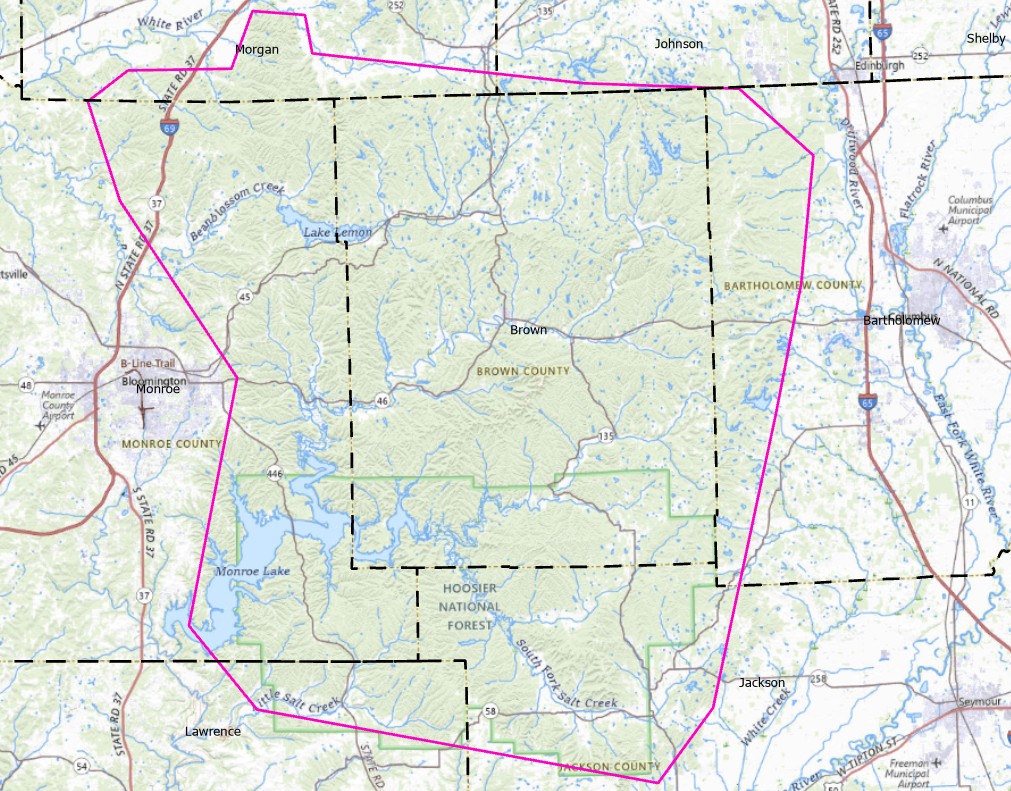
Efforts to date have focused on 425,000 acres in south-central Indiana where the ceruleans have the best remaining stronghold in the state. Known as the Cerulean Warbler “BirdScape”, this acreage is centered around Brown County, and includes some of the most heavily forested lands remaining in Indiana. If the Cerulean Warbler is to remain as a breeding bird in Indiana, it will be here in the forested, rugged terrain of southern Indiana. Yet, even here, the birds’ population is in decline.
The BirdsScape partnership expands beyond Indiana, with efforts being made in stopover habitats through out Central America, in addition to key work is ongoing in South American on the wintering grounds. This international work focuses on non-breeding and migration usage, both critical parts of the birds lifecycle.
Work is organized across five key sub-teams, each carrying out targeted actions and delivering meaningful outcomes within their respective focus areas.
The Teams
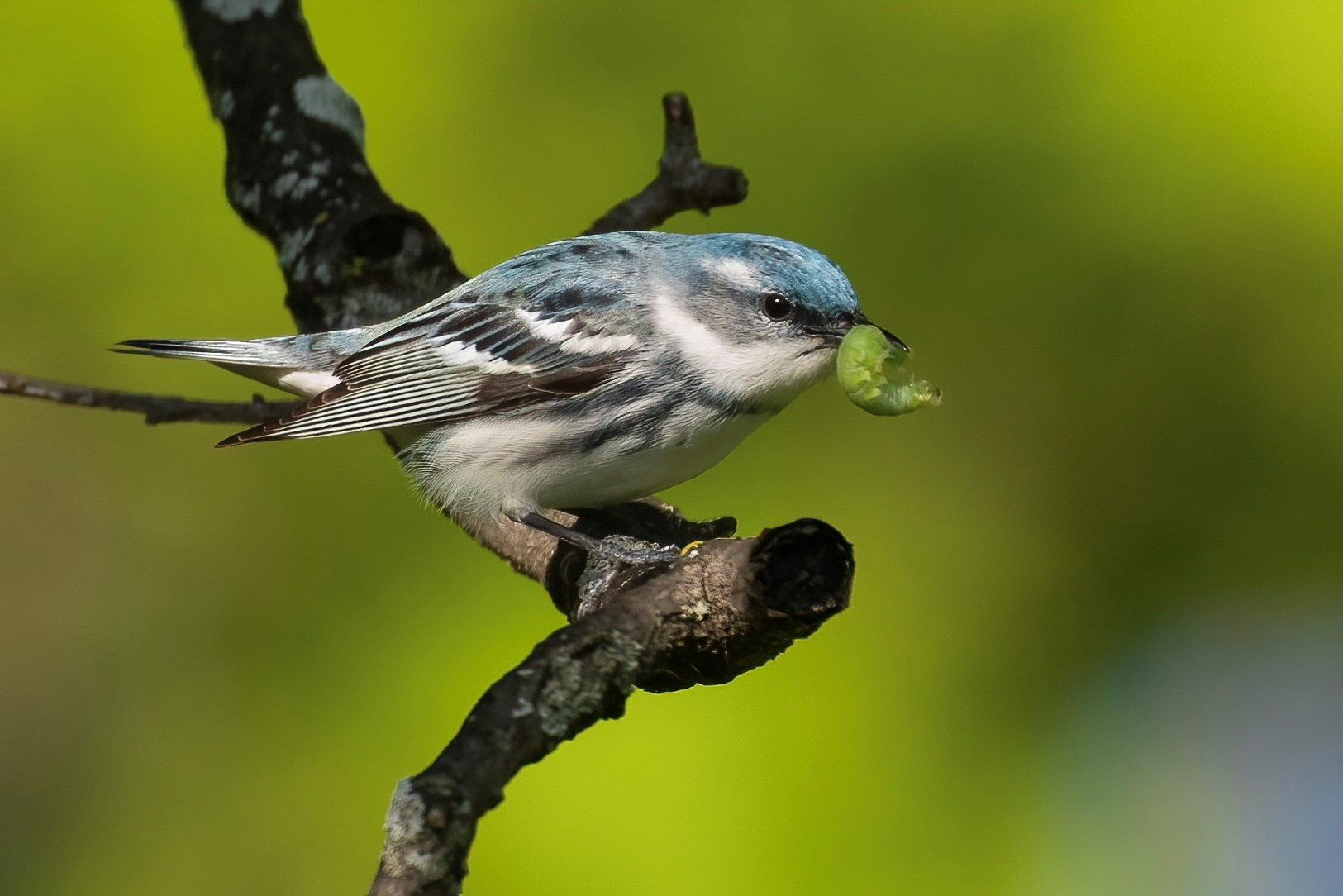
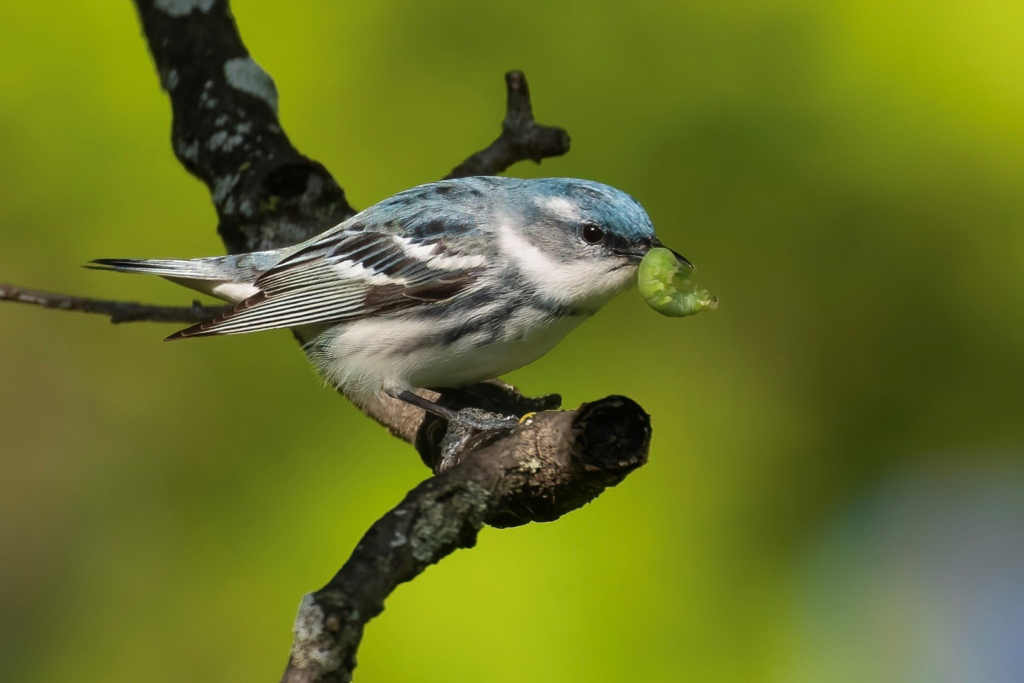
This team leads on-the-ground habitat restoration and active forest management to improve breeding conditions for Cerulean Warblers and other woodland species. Through strategic land protection, stewardship, and targeted management practices, they enhance forest structure, ecological function, and long-term habitat resilience across priority landscapes.
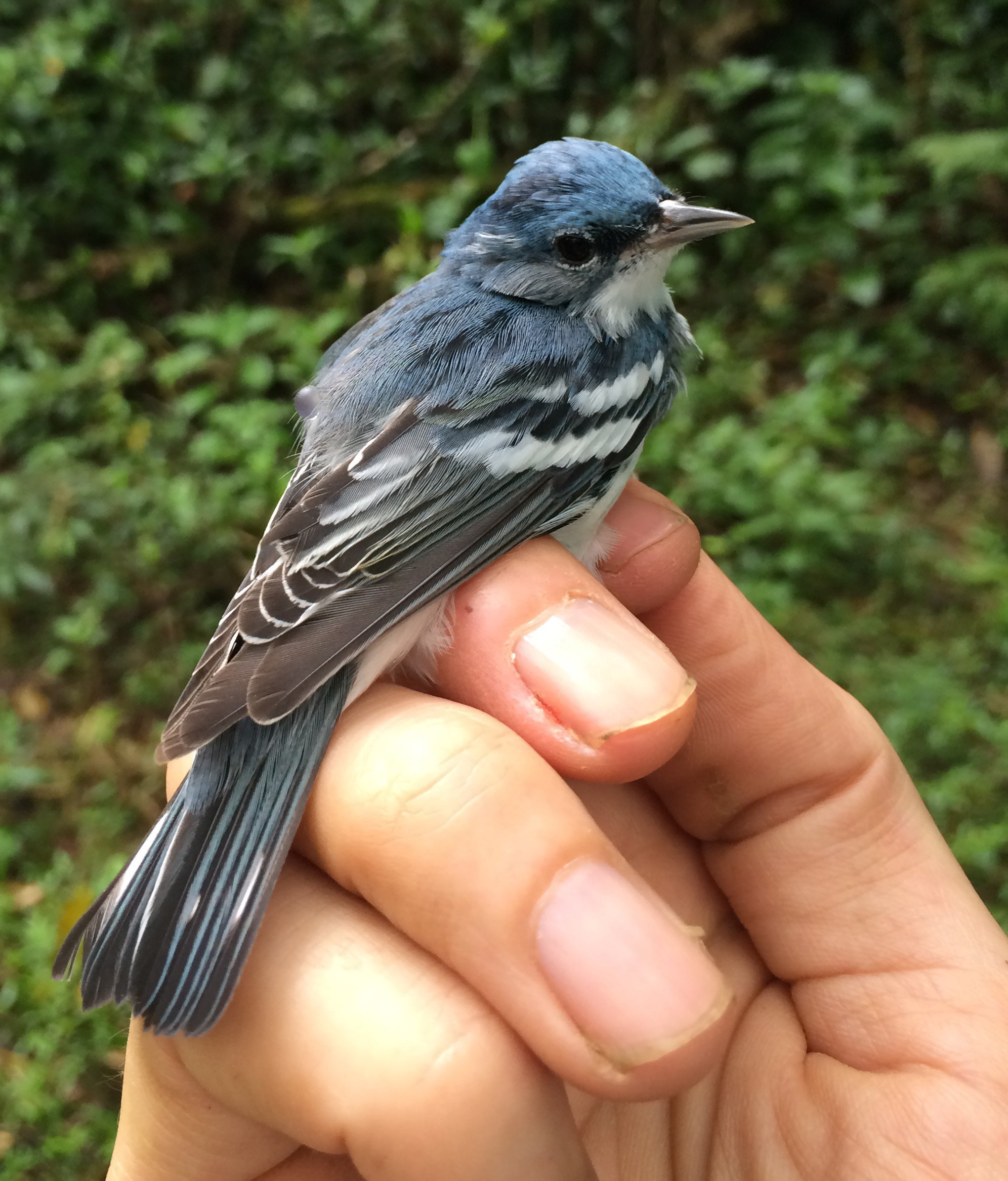
This team advances conservation at a regional scale by building partnerships, securing funding, and aligning programs with state and federal policy opportunities. By developing target initiatives, they reduce barriers for private landowners and expand the reach and sustainability of habitat conservation efforts.
This team strengthens conservation outcomes through monitoring, research, and data-driven decision-making. By deploying advanced technologies and collaborating with agency and university partners, they generate the science needed to guide effective habitat management and measure program impact.
This team builds public awareness, community support, and stakeholder engagement through educational resources, partnerships, and creative outreach initiatives. Their work fosters understanding of Cerulean Warbler conservation while connecting diverse audiences to opportunities for participation and stewardship.
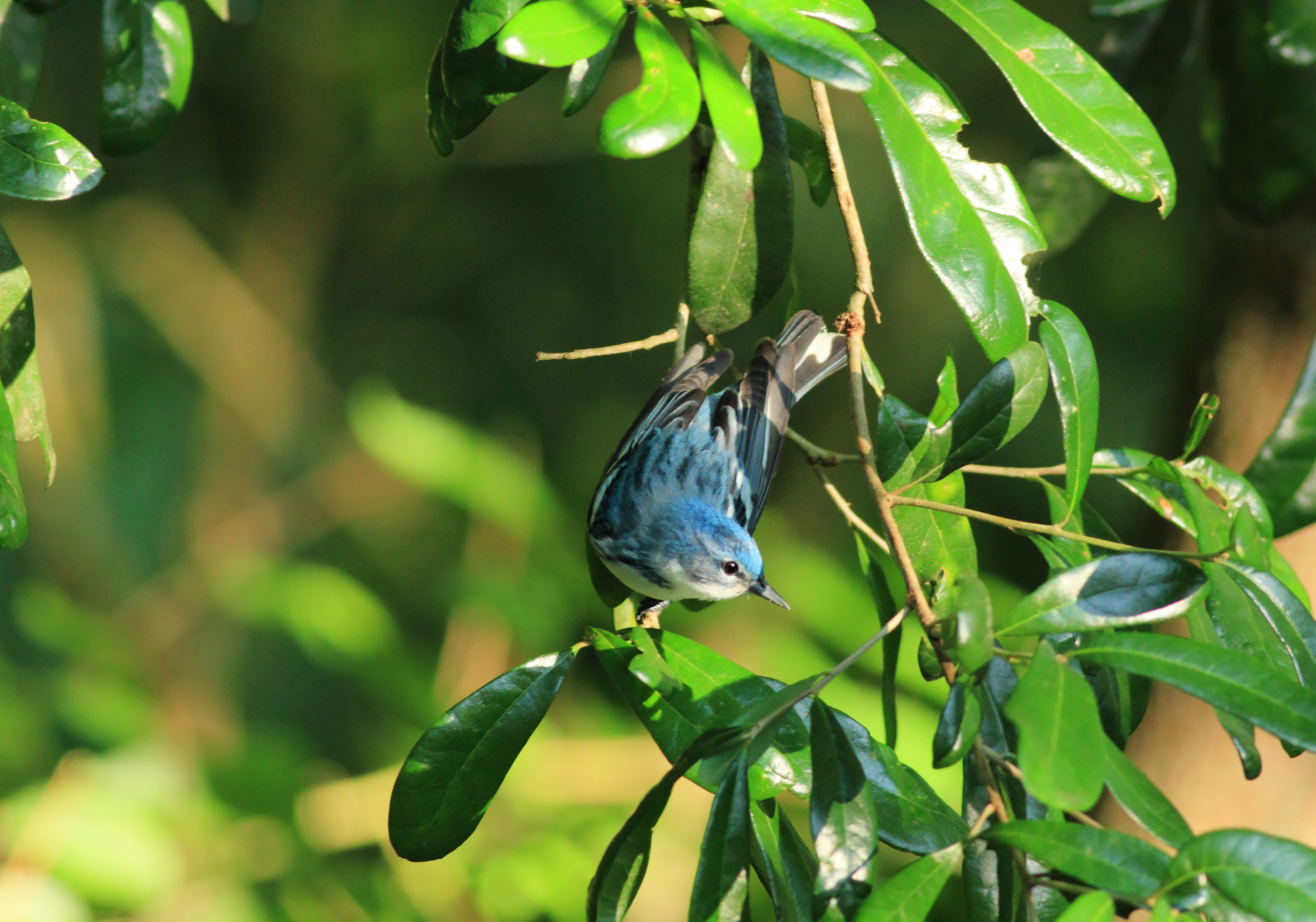
This team ensures conservation actions address the Cerulean Warbler’s needs across its entire annual cycle, including both breeding and wintering habitats. Through international partnerships, land protection, sustainable agriculture, and reforestation efforts, they promote habitat continuity and long-term population stability across the species’ range.